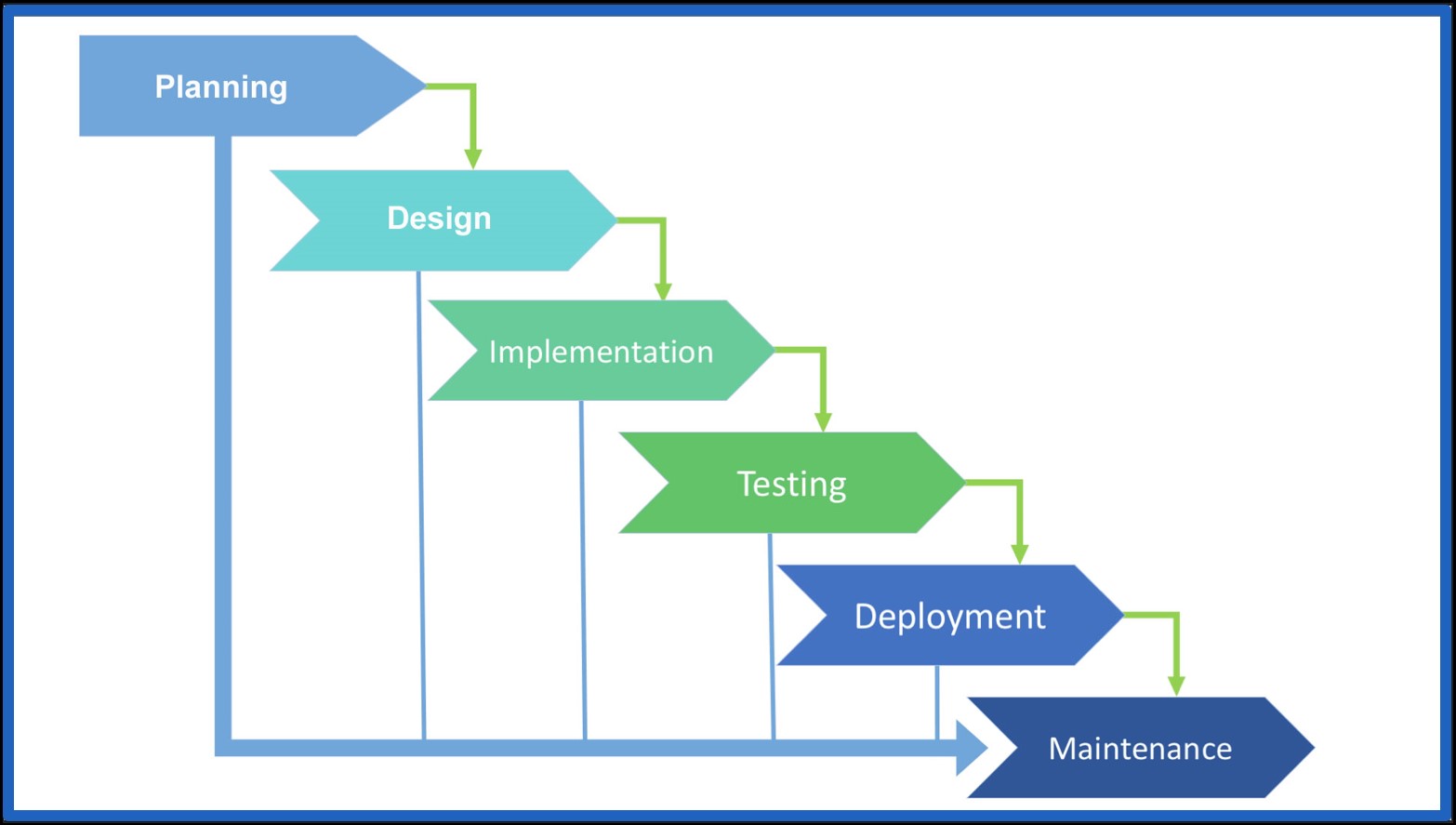

In our day’s fast-paced tech world, software success isn’t just about great ideas and coding skills; it requires a structured approach like the Software Development Life Cycle (SDLC). A required approach for software development. What is Software Development Life Cycle. In this article we will help navigate Your Team’s Success With SDLC Best Practices.
The SDLC is a framework that guides projects from concepts to deployment, ensuring every phase of planning, design, implementation, testing, and maintenance is carefully handled to meet user and business needs. It has proven to be a development cycle many Product managers and developers whose priority is to build great projects and offer top-notch services must follow. You can also learn How to Write a Good Bug Report (A Complete Guide).
Each phase of the SDLC practice is very key, as it contributes significantly to the overall success of the project. Lets Navigate Your Team’s Success With SDLC Best Practices.
1. Planning
The phase of planning plays a crucial role by setting the foundation of an entire project, ensuring that there is a clear understanding of the objectives, scopes and limitations. A well-planned project is more likely to stay on schedule and within budget. This reduces the risk of costly overruns and delays.
2. Design
The design phase translates the requirements into a blueprint for the software, components, interfaces and data flow. A well-structured design is essential for building robust and scalable software.
3. Implementation
It is now followed by the implementation phase where the actual coding takes place. Developers write codes according to the specifications, ensuring that it adhere to best practices and coding standards. More to also desire are some coding guidelines like the one from OWASP Foundation.
4. Testing
When the software is developed, it undergoes rigorous testing in order to identify or fix issues. The testing phase is also crucial for ensuring the functionality, reliability, performance and security of the software. Various testing methodologies such as unit testing, integration testing, system testing and acceptance testing, are employed to validate the software against the requirements. Read more on software testing.
5. Deployment
After successful testing, the software is now deployed to the production environment. The deployment phase ensures that the software is ready to use and can deliver benefits to the users. It includes installation, configuration and training users.
One of the most significant advantages of the software development life cycle (SDLC) is its ability to manage time resources and costs effectively. By breaking down the development process into manageable phases, the SDLC enables teams to focus on specific tasks, monitor progress systematically and allocate resources efficiently.
6. Maintenance
To wrap it up, the maintenance phase monitors the software for any issues, providing updates and making improvements based on user feedback. It is mostly important for the relevance of the software and long-term success.
Something for stakeholders
The SDLC communicates and collaborates with stakeholders, creating a cohesive and coordinated development process. Stakeholders are involved at every stage of SDLC, ensuring that their feedback is incorporated, which will create a product that meets their needs.
In conclusion, the Software Development Life Cycle (SDLC) has proven to be an indispensable framework for software development. By providing a systematic and structured approach, the SDLC ensures that every phase of the project is executed with precision.
Adopting the SDLC is not just the best practice; it is a strategic necessity in today’s competitive and fast-paced technological landscape.